
DENTAL IMPLANTS LEITH EDINBURGH
Replace Missing Teeth with Confidence
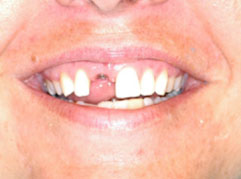
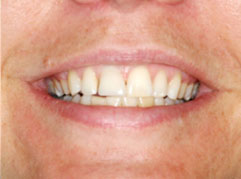
Missing one or more teeth can affect how you eat, speak and feel about your smile. Dental implants offer one option for replacing missing teeth with restorations designed to look and function much like natural teeth.
At Barron Dental in Leith, Edinburgh, we provide dental implant treatment, from initial assessment and planning through to restoration and ongoing aftercare.
Whether you are missing a single tooth, several teeth or are struggling with loose dentures, our team can help you explore your options and understand whether implant treatment may be suitable for you.
Interested in dental implants? Contact Barron Dental to arrange a consultation and discuss your options.
What Are Dental Implants?
A dental implant is a small fixture, usually made from titanium, that is placed in the jawbone to act as an artificial tooth root. Once the implant has integrated with the surrounding bone, it can support a replacement tooth or teeth.
Depending on your needs, implants may support:
- A single crown to replace one missing tooth.
- An implant-supported bridge to replace several missing teeth.
- An implant-retained denture to improve the stability of a removable denture.
- A full-arch restoration for suitable patients who need to replace many or all of their teeth.
Your dentist will explain which options are appropriate for your oral health, preferences and individual circumstances.
What Are the Benefits of Dental Implants?
Dental implants can offer several advantages, depending on the type of restoration and your clinical needs.
A natural-looking smile
Replacement teeth are designed to complement your remaining teeth and facial appearance.
Improved stability
Implant-supported teeth can provide a secure alternative to conventional removable dentures, which may move during eating or speaking.
Replacing missing teeth without relying on neighbouring teeth
A single implant-supported crown can replace a missing tooth without requiring the adjacent teeth to be prepared as they would for some conventional bridges.
Supporting everyday function
Implant restorations can help restore chewing function and confidence when eating, although the result depends on your individual circumstances.
Implants are not suitable for everyone, and no treatment can guarantee a particular outcome. Your dentist will discuss the potential benefits, limitations and risks before treatment begins.
Am I Suitable for Dental Implants?
Many adults may be suitable for dental implants, but careful assessment is essential.
Your dentist will consider:
- The health of your teeth and gums.
- The amount and quality of bone available to support an implant.
- Your general health and relevant medical history.
- Smoking and other factors that may affect healing.
- Your expectations, preferences and ability to maintain the restoration.
Healthy gums and good oral hygiene are important. If you have active gum disease or other dental problems, these may need to be treated before implant placement.
If there is insufficient bone, additional procedures such as bone grafting may sometimes be considered. Your dentist can explain whether this is relevant to your case.
What Does Dental Implant Treatment Involve?
Implant treatment is planned individually. The stages and timescales depend on your oral health, the number of teeth being replaced and whether additional treatment is needed.
1. Initial consultation
We discuss your concerns, dental history and treatment goals. Your teeth, gums and bite are assessed, and appropriate imaging is arranged where needed.
2. Personalised treatment plan
Your dentist explains the proposed treatment, possible alternatives, anticipated timescale, costs and any relevant risks. You will have the opportunity to ask questions before deciding how to proceed.
3. Implant placement
If you choose to proceed and are suitable for treatment, the implant is placed in the jawbone using a planned surgical procedure. Local anaesthetic is generally used, and your dentist will discuss comfort and any additional options where appropriate.
4. Healing and integration
The implant needs time to integrate with the surrounding bone. This can take several weeks or months, depending on the individual case. Temporary replacement teeth may be possible in some circumstances.
5. Fitting your replacement tooth or teeth
Once the implant is ready for restoration, a suitable crown, bridge or denture is fitted. Your dentist checks the fit, bite and appearance.
6. Long-term maintenance
We provide guidance on cleaning your implant restoration and maintaining healthy gums, with regular dental and hygiene reviews to help monitor your oral health.
Can Dental Implants Help if I Have Loose Dentures?
If your dentures feel loose or move when you eat or speak, implant-supported dentures may be worth exploring.
In suitable cases, dental implants can help retain a denture more securely. The design may allow the denture to be removed for cleaning, depending on the system used.
The number of implants required and the type of denture depend on your mouth, bone availability and treatment goals. Your dentist can explain the options following an assessment.
How Long Do Dental Implants Last?
Dental implants can provide long-term tooth replacement, but their longevity varies between patients.
The health of your gums, oral hygiene, smoking, general health, biting forces and attendance at maintenance appointments can all influence the long-term outcome.
The implant itself and the crown, bridge or denture it supports are different components. The restoration may require maintenance, repair or replacement over time.
Regular dental reviews and careful daily cleaning are important to help maintain the health of your implants and surrounding tissues.
Are There Alternatives to Dental Implants?
Yes. Depending on your situation, alternatives may include:
- A conventional dental bridge, which uses neighbouring teeth for support.
- A removable partial denture, which replaces one or more missing teeth.
- A complete denture, which replaces all teeth in an arch.
Each option has advantages, limitations and different costs. Your dentist can help you compare the alternatives and decide which best meets your needs.
How Much Do Dental Implants Cost in Edinburgh?
The cost of dental implant treatment depends on the number of implants required, the type of replacement teeth and whether additional procedures are needed.
Our website currently lists a single implant and crown from £2,650. Please confirm the current fee with Barron Dental, as prices and individual treatment requirements may change.
At your consultation, ask for a personalised treatment plan and written estimate covering the proposed stages of treatment and any additional costs.
Frequently Asked Questions
Is dental implant treatment painful?
Implant placement is generally carried out under local anaesthetic to help manage discomfort during the procedure. Some soreness, swelling or bruising can occur afterwards. Your dentist will explain how to manage recovery and what symptoms should prompt you to contact the practice.
How long does implant treatment take?
Treatment may take several months because the implant needs time to integrate with the bone before the final restoration is fitted. Some cases are more straightforward than others, while additional procedures may extend the timescale.
Can I have dental implants if I have been missing teeth for years?
Possibly. However, bone can change after teeth are lost, so an assessment is needed to determine whether there is sufficient bone and what treatment may be required.
Can smokers have dental implants?
Smoking can increase the risk of healing complications and implant-related problems. Your dentist will discuss your individual risks and advise you on reducing them before and after treatment.
Do dental implants need special cleaning?
Implants need careful daily cleaning, just like natural teeth. Your dentist or hygienist will show you how to clean around the restoration and recommend an appropriate maintenance schedule.
What happens if I am not suitable for implants?
Your dentist can discuss other options, such as a bridge or denture, and explain whether any preliminary treatment could improve your suitability for implants.
Dental Implants at Barron Dental, Leith
At Barron Dental, we aim to help patients make informed decisions about their dental health. Our team can discuss your concerns, explain the treatment options available and guide you through the assessment process.
We are located at:
Barron Dental
23–27 Ferry Road
Leith, Edinburgh
EH6 4AD
Telephone: 0131 553 2726
If you are considering dental implants, contact our team to discuss arranging a consultation.
Your first step is a conversation about your needs, the options available and what treatment may involve.
Please call us on 0131 553 2726 or get in touch.







GET IN TOUCH
OPENING HOURS
| Monday | 8:30am - 5:00pm |
| Tuesday | 8:30am - 7:00pm |
| Wednesday | 8:30am - 5:00pm |
| Thursday | 8:30am - 7:00pm |
| Friday | 8:30am - 2:30pm |
The premises are at street level and we have easy access for the elderly and those with walking difficulties.
Our practice is situated at the end of Ferry Road, opposite Leith Library and only 500m from Ocean Terminal.
There are parking bays on nearby streets, which you can pay for via ring-go app or by phoning 01315164000. Bus numbers 7, 10, 14 and 21 all stop nearby. The tram stops at Ocean Terminal and so do Bus numbers 34, 35, 36 and 200. It is 7-8 minutes walk from Ocean Terminal to the practice.